
Challenges in AI Power Electronics
Extreme Current Loads
Handling 1000A+ transient currents in GPU power rails
Thermal Density
Operating in high-ambient, dense rack environments without thermal runaway
High-Frequency Switching
Optimizing magnetic performance for GaN and SiC topologies (40kHz - 150kHz)
Why Nanocrystalline for AI? (The Data-Driven Choice)
Exceptional Efficiency
Reduce core loss by 65% compared to high-end Ferrite in 30kW power modules
Significant Size Reduction
Achieve up to 35% reduction in footprint due to the high Bs (1.2T vs. 0.45T)
Superior Thermal Stability
High Curie temperature (570°C) ensures consistent permeability from -40°C to +150°C
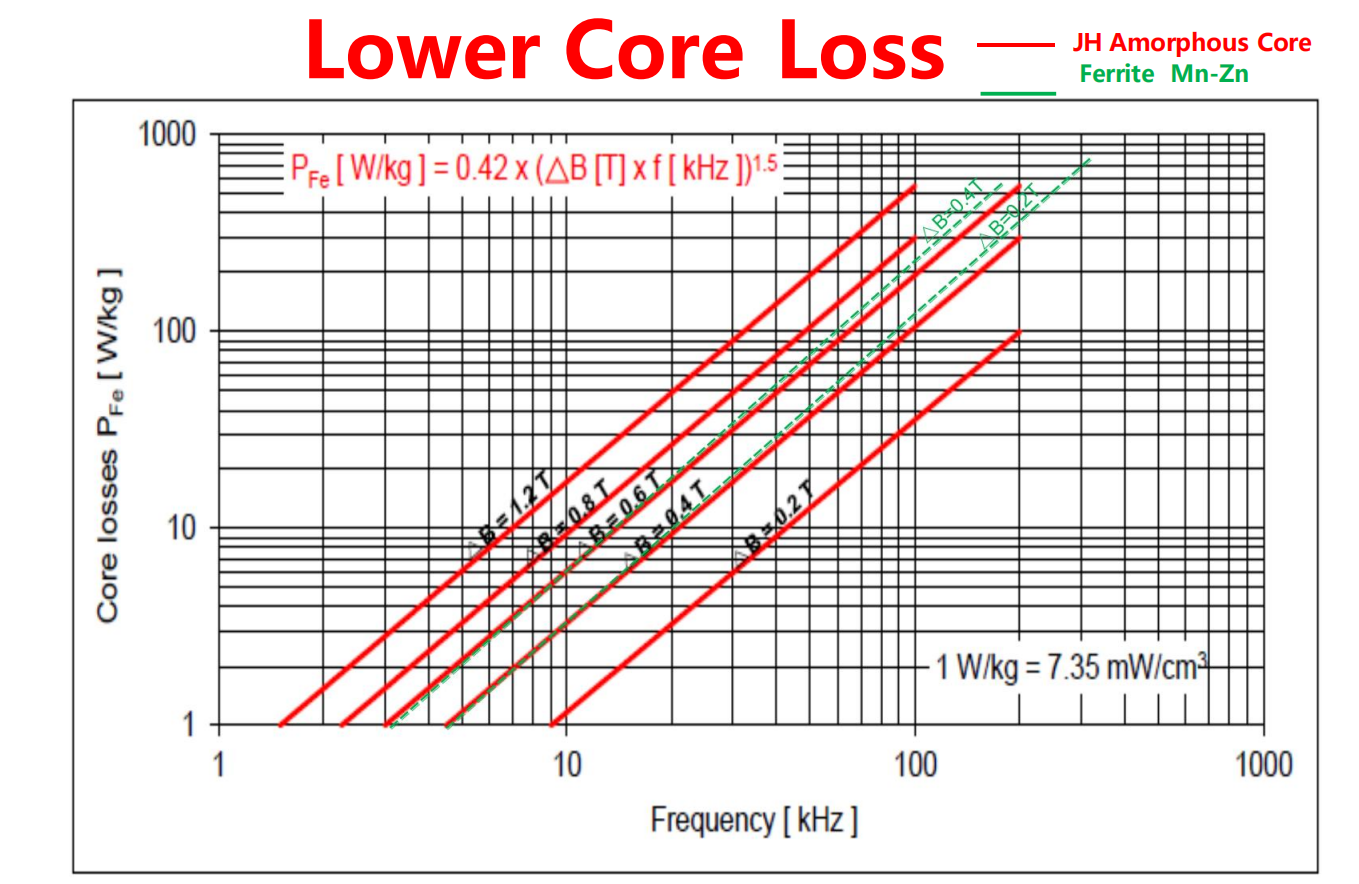
Figure 1: Core Loss Comparison at 100kHz - Nanocrystalline vs. High-End Ferrite
Key Applications in the AI Stack
AI Server PSUs
PFC and LLC stages for 3kW - 30kW power supplies. Our nanocrystalline cores enable higher power density and efficiency, critical for meeting 80 Plus Titanium requirements.
- PFC inductors with low loss at high frequency
- LLC transformers for high-efficiency isolation
- Compact form factor for dense server racks
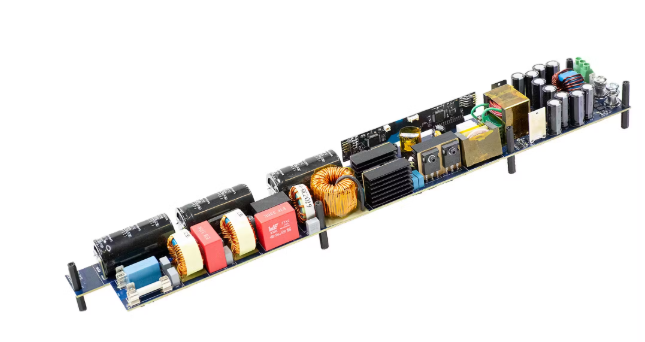
Figure 2: 3kW AI Server PSU with Nanocrystalline PFC Inductor
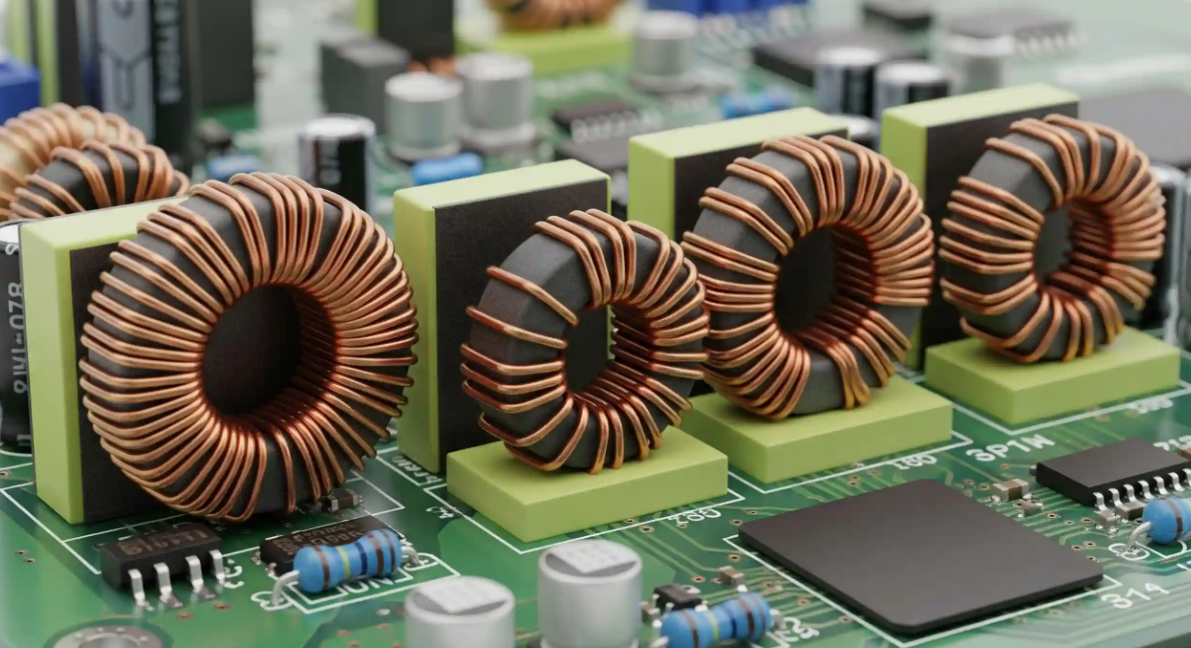
Figure 3: High-Current Inductor for GPU VRM Stages
GPU Power Delivery
High-current inductors with superior DC-bias characteristics for GPU voltage regulator modules (VRMs). Handle 1000A+ transient currents with minimal core loss.
- Ultra-high saturation for high-current applications
- Custom gapping for optimal DC-bias performance
- Low DCR for minimal conduction loss
EMI Suppression
Common Mode Chokes (CMC) for high-speed switching noise attenuation. Our nanocrystalline CMCs provide superior impedance across a wide frequency range.
- High impedance for common-mode noise
- Compliance with CISPR 32/EN 55032
- Compact designs for space-constrained applications
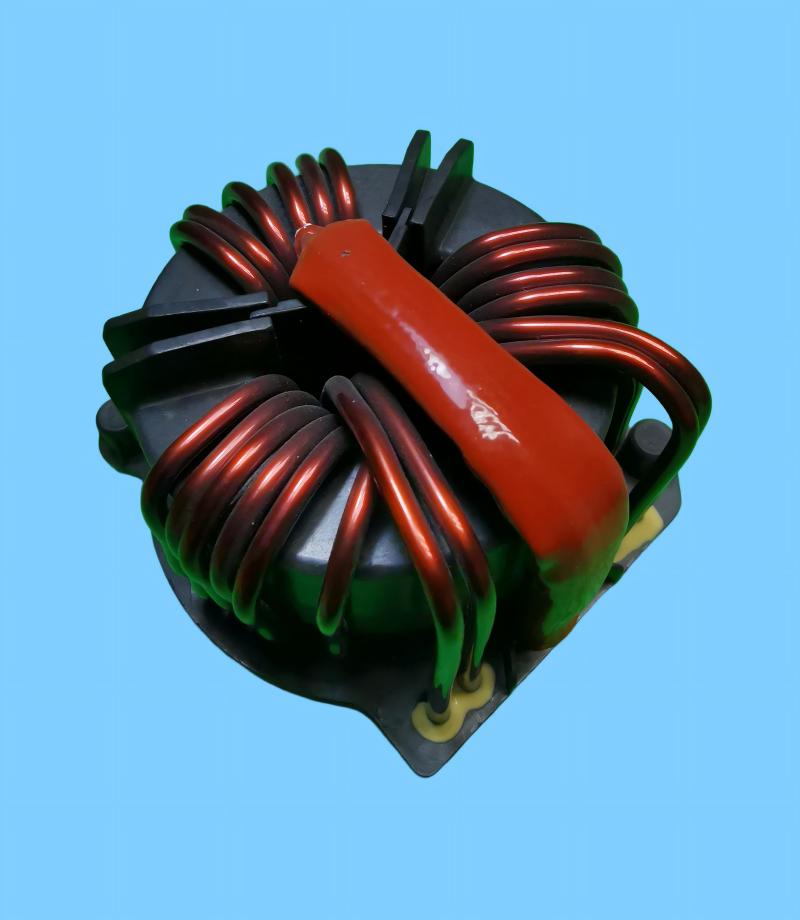
Figure 4: Multiphase Common Mode Choke for AI Server EMI Filtering
Technical Comparison (Ferrite vs. Nanocrystalline)
| Feature | Ferrite (N97 equivalent) | MagComponent Nano |
|---|---|---|
| Saturation (Bs) | 0.45 T | ≈ 1.2 T typical finished core |
| Core Loss (100kHz) | Medium (~150 mW/cm³) | Ultra-Low (~50 mW/cm³) (-67%) |
| Thermal Stability | Drops >100°C | Stable up to 150°C |
| Permeability Range | 1k - 20k | typically > 80,000; anneal about 1,500–300,000 |
| Curie Temperature | ~200°C | 570°C (+185%) |
| Power Density Potential | Moderate | High (+35% smaller) |
MagComponent column: finished-core Bs ≈ 1.2 T typical (1K107 ribbon Bs ≈ 1.25 T). Permeability is grade- and anneal-dependent; the default high-μ claim is typically > 80,000. The anneal span is the 1K107 page figure (about 1,500 to 300,000). Saturation magnetostriction λs ≈ 2–3 × 10⁻⁶ is the DG Focus / MagComponent rectangular C-core catalog value.
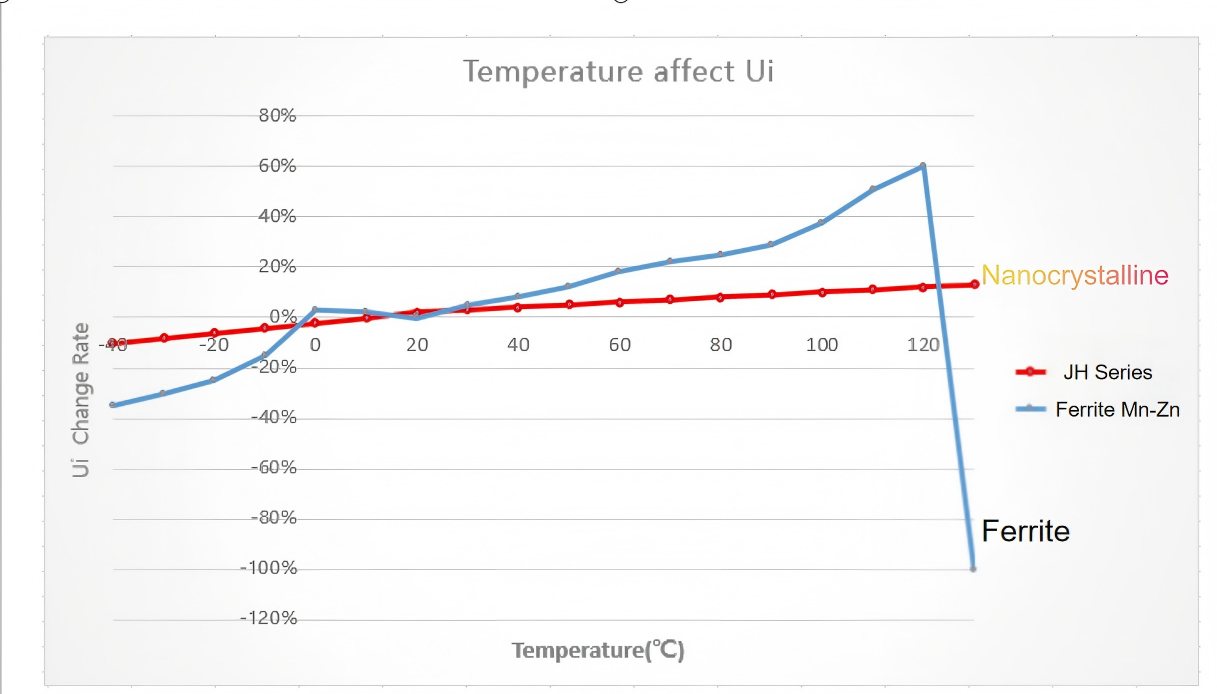
Figure 5: Permeability Stability Comparison - Nanocrystalline maintains consistent performance across operating temperatures
Available Magnetic Core Configurations
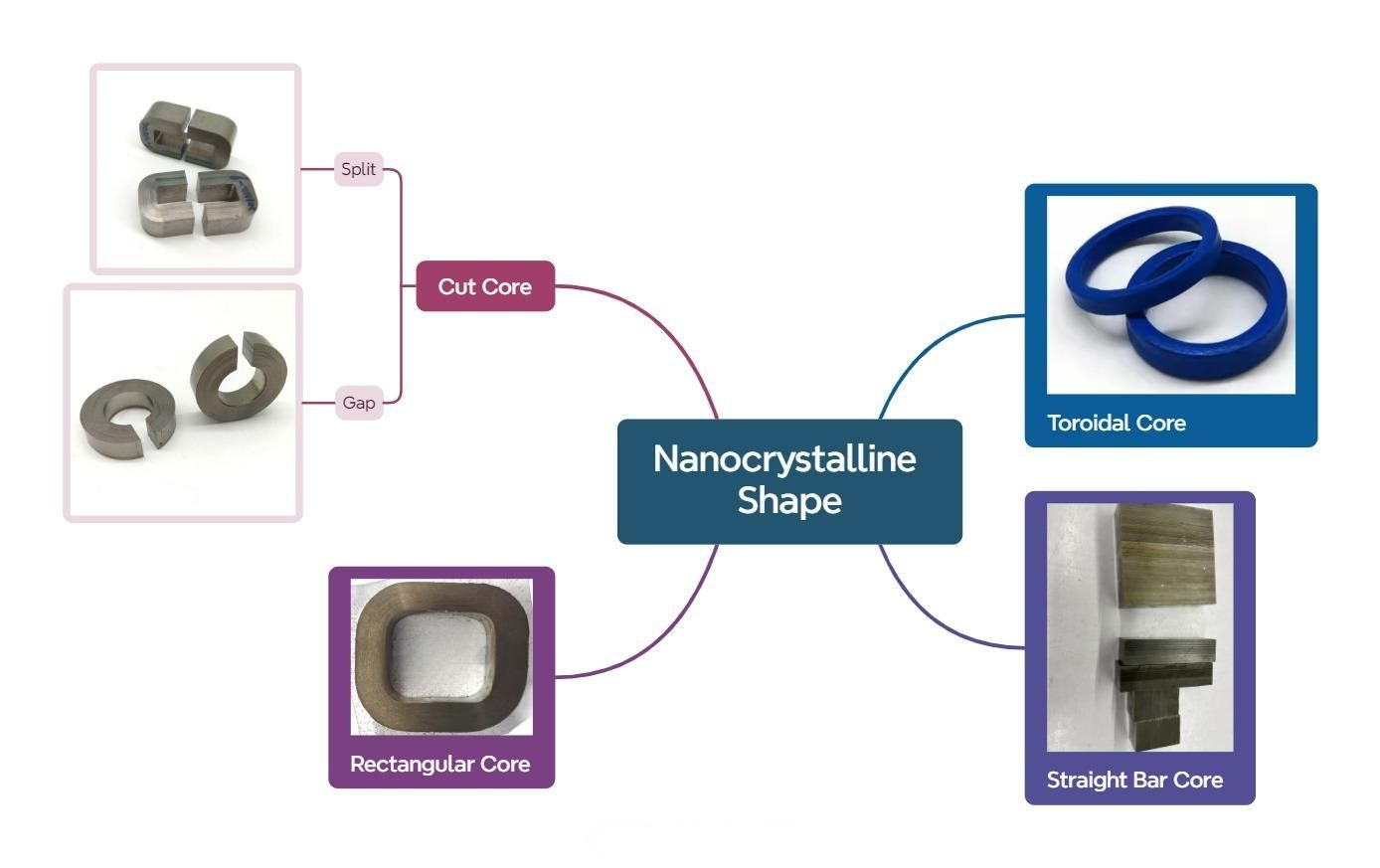
Figure 6: Various Nanocrystalline Core Configurations for AI Power Applications
FAQ
How does Nanocrystalline handle high DC-bias?
With our gapping techniques and hybrid material approaches, we can customize nanocrystalline inductors to handle extreme DC-bias in AI server power rails. We also offer 200μi low-permeability nanocrystalline cores specifically designed for high DC-bias applications, which provide superior saturation resistance compared to standard materials. The high saturation flux density (1.2T) combined with these specialized low-permeability cores ensures excellent inductance maintenance under high DC currents.
Is it suitable for liquid-cooled environments?
Yes. The high Curie temperature (570°C) and chemical stability of our 1K107 series make it ideal for immersion or cold-plate cooling systems used in AI clusters. Our nanocrystalline materials are compatible with dielectric fluids and maintain their magnetic properties even in harsh thermal environments.
What frequency range is optimal for nanocrystalline cores?
Nanocrystalline cores excel in the 20kHz to 200kHz range, which is ideal for modern AI server power supplies using GaN and SiC semiconductors. While ferrite can be used at higher frequencies, nanocrystalline provides superior efficiency at these mid-to-high frequencies where AI PSUs typically operate.
How do I select the right core for my AI power application?
The selection depends on several factors: topology (PFC, LLC, Phase-Shifted Full-Bridge), frequency, power level, required inductance, DC bias current, and thermal constraints. Different topologies have varying flux density swings and cooling requirements—LLC resonant converters benefit from nanocrystalline's low core loss, while PFC stages require excellent DC-bias characteristics. Our engineering team can provide custom recommendations based on your specific topology and power requirements.
Optimize Your AI Server Power System
Partner with MagComponent for nanocrystalline cores and chokes used in AI server power supplies